EDUCATION
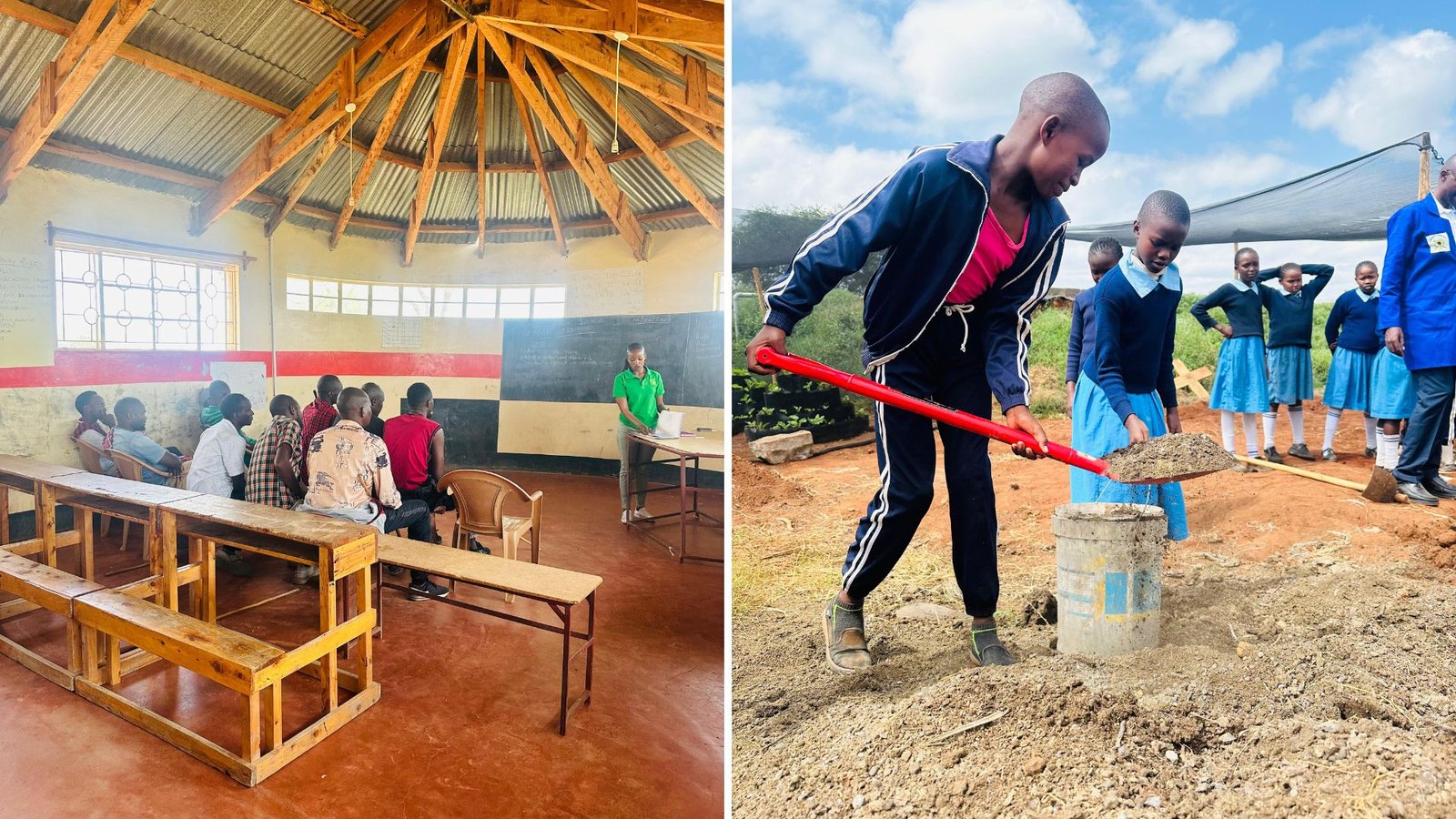
IAI promotes school kitchen gardens for a healthier future. These gardens reduce food transport emissions, provide fresh organic produce, and teach kids valuable skills. Students gain a sense of accomplishment, learn about sustainability, and contribute to a stronger community through shared harvests and local events.
Exposing students to agriculture fosters environmental awareness and future food security.
Education
Agriculture and farming are an integral part of our lives, and it is practical for people of all ages to have a basic understanding of the disciplines. Agricultural education can do wonders for children’s development, and it can help them grow up to become responsible, energetic, and self-sufficient adults, as well as contributing to a key part of our overall economy. That is why IAI works with schools to help them produce their vegetables by engaging children in kitchen gardens with the following benefits.
- Environmental benefits: By encouraging schools to grow their own food, we shall reduce the need to transport produce from far away, which in turn reduces our carbon footprint.
- Improved mental health of the kids: Gardening is a great way to relax and de-stress. Physical activity can help to relieve tension, while the sense of accomplishment you get from successfully growing a crop can be very satisfying. This activity will boost the morale of the kids once they see the fruits of their labor and intern improve their mental health and reduce stress levels.
- Healthier eating: Growing a kitchen garden provides fresh, organic fruits and vegetables that are free from pesticides and other chemicals. This means school kids can enjoy healthier meals without the extra cost of buying organic produce. All the kitchen gardens shall be organic. Healthier eating is one of the most important advantages of having a kitchen garden. When school grow their own fruits and vegetables, students can enjoy meals free from the harmful chemicals found in much store-bought produce. By harvesting your crops at the peak of their ripeness, students can enjoy the fullest flavor and nutrition from their fruits and vegetables.
- Financial savings: When schools grow their own fruits and vegetables, they end up saving money in the long run, as they will no longer be buying them from the store. Plus, they may even be able to sell any surplus if they have.
- Sense of community: Establishing kitchen gardens in schools provides kids with a great opportunity to get to know each other and exchange tips. It can also be a way to connect with the wider community, by participating in local events or donating any surplus produce to food banks. Kids at a tender age can begin participating in local events, such as farmers’ markets, or donating any surplus produce to food banks are great ways to give back to your community.
Sustainable gardening:
The school children will be encouraged to adopt sustainable agriculture, in the kitchen gardens not only by utilizing resources but also conserving them. The kitchen gardens will use using natural resources to their fullest potential and minimizing the amount of waste generated. IAI will also emphasizes the importance of being mindful of the environment, and making sure that the resources we use are not only renewable but also replenished in a timely manner. The benefits of sustainable gardening are numerous. Not only does it help to reduce our carbon footprint, but it also helps to conserve water, reduce air pollution, and even improve soil health.