CLEAN ENERGY
IAI helps rural communities transition to clean energy. They promote solar-powered irrigation systems, a sustainable solution for arid regions, allowing farmers to grow crops year-round and conserve water. Additionally, IAI trains locals to build energy-saving cookstoves. These stoves use less fuelwood, protecting forests and reducing greenhouse gasses. Both solutions empower farmers and improve health by reducing deforestation and smoke inhalation.
Clean energy sources are reliable, affordable, and reduce greenhouse gas emissions compared to fossil fuels.
Clean Energy
The current dominant use of fossil-based energy resources in the agri-food sector is unsustainable, while millions of farmers and agro-enterprises lack access to reliable, affordable, and clean energy. The rising fossil fuels prices have also become a burden as they translate into higher costs of production, processing, and transport, which directly mean higher costs for consumers. Farmers are frequently unaware of the variety of new technologies that may be appropriate for them. Because clean energy technologies are relatively new. Farmers often do not have the means to cover the high capital costs associated with clean energy upgrades, and financing is seldom available. IAI focuses on two main components to help rural farmers upgrade into clean energy.
Solar powered irrigation
Solar energy is a practical option for farmers, especially in arid regions, enabling them to power their farm irrigation systems. Using the sun to irrigate farmlands is a simple innovation that allows farmers to produce crops over the dry period whilst conserving the available water resources. The correlation between solar energy and irrigation systems is one way in which businesses can benefit from these market segments vis-à-vis supporting governments to spur development in arid rural areas.
Energy saving cook stoves
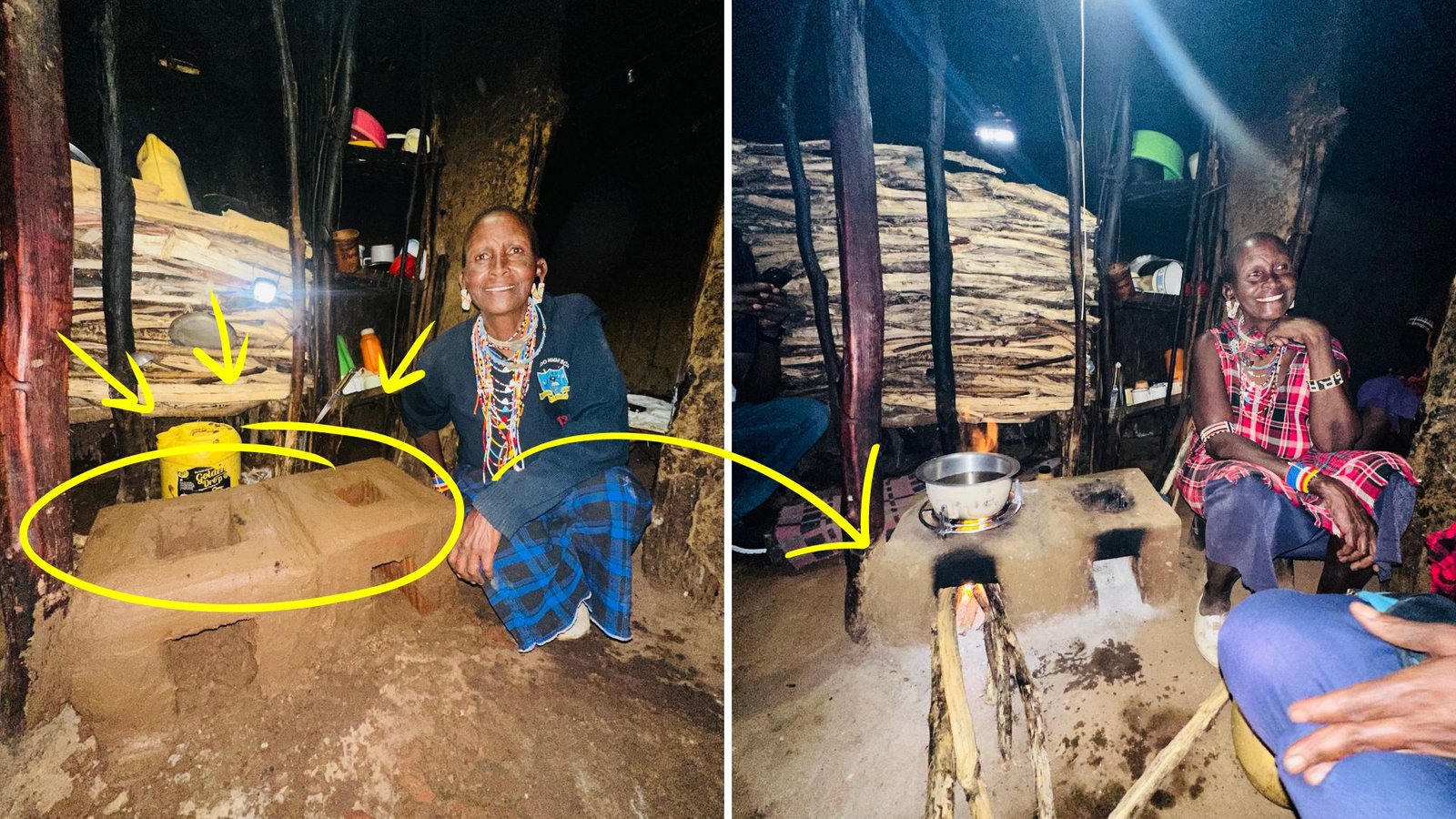
The majority of households in developing countries cook over open fires. Women, who typically do the cooking, frequently visit local health centers suffering from respiratory diseases due to inhaling smoke. In addition to health problems, many communities in developing countries face a fuel-wood shortage due to high demand resulting in the massive felling of trees, which is driving deforestation and causing desertification to spread. To address this IAI trains community members to prepare energy saving cook stoves using clay liners, a metal casing, and vermiculite cement, which maintains heat during cooking. Such materials are cheap and locally available.
This cook stoves have resulted in preservation of trees since the energy-saving cook stoves use pruned branches for fuelwood instead of entire felled trees. The use of energy-saving cook stoves leads to less fuel-wood usage, less trees cut down, and lower greenhouse gas emissions. This is helping mitigate climate change and reduce deforestation. The stoves can also use charcoal briquettes made from dry leaves and agricultural waste like coffee husks and rice husks, which are recycled into cooking fuel.